The cricket-loving section of England’s population may still be divided on its support for The Hundred competition which started on Wednesday and they may not have had much to cheer about during the month of July when the national team won just four out of 12 matches in ODIs and T20 Internationals against India and South Africa, losing three out of four series and drawing the other, but there is one thing which unites them all.
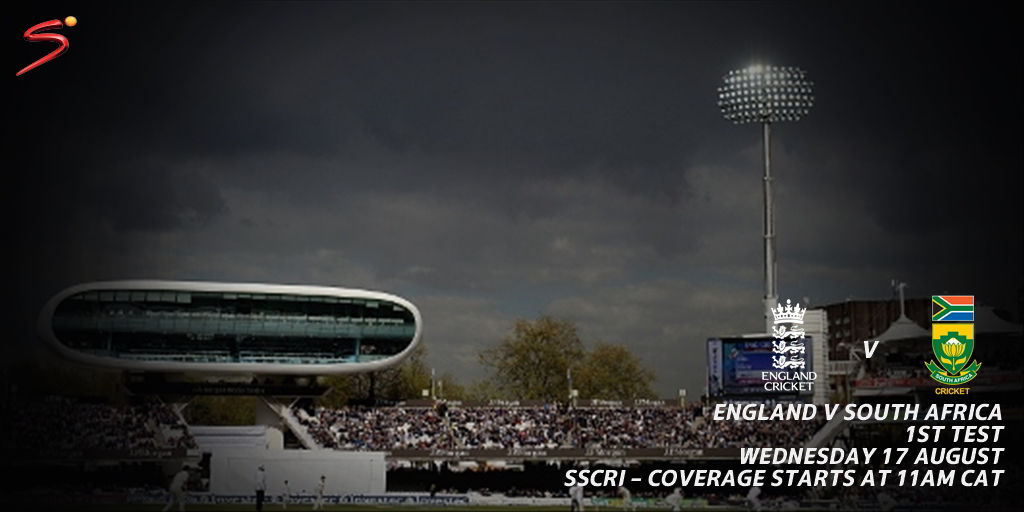
The prospect of the new-look test team taking on South Africa in three test matches to conclude the international summer is generating intense excitement and the starting date, 17 August, at Lord’s, cannot come soon enough.

And it is not just because England have won all four tests they have played this summer after having won just one of their previous 17, not even the manner of those victories during which England unveiled a stunning new style of cricket under new coach Brendan McCullum and captain Ben Stokes. Even more appealing is what is perceived to be the vast contrast in styles between England and the Proteas.
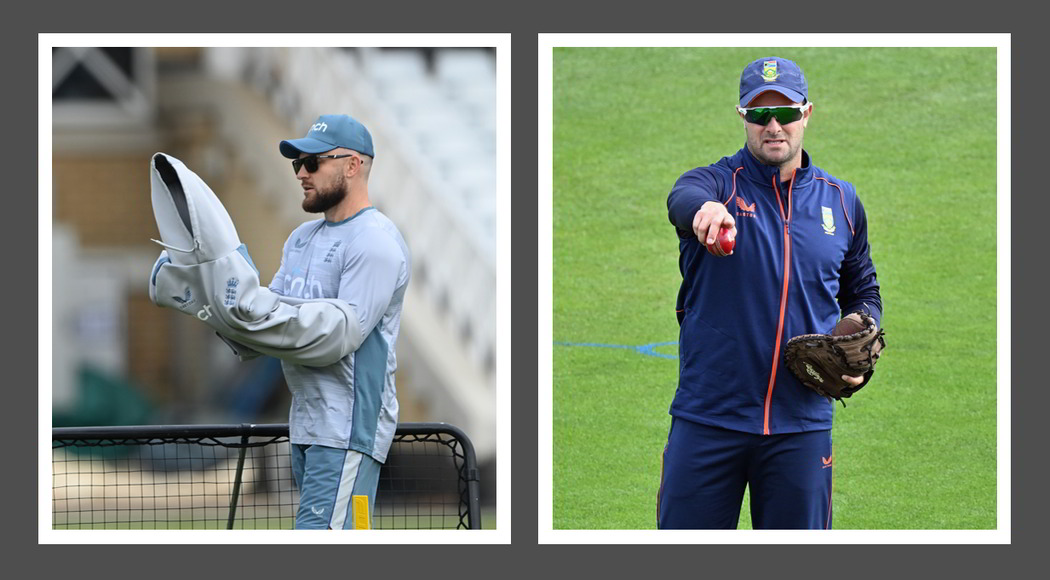
“All we try and do is play a brand of cricket which gives the guys the greatest amount of satisfaction and gives them the best opportunity, we've also got an obligation to entertain,” said McCullum recently when asked about ‘Bazball’, a term he does not enjoy.
“It's been a challenging period for those who love the game of test cricket because society has changed and people don't necessarily have five days to sit down and watch cricket anymore, so we need to make sure that the product that we're taking to the people is worthy of their time and is able to captivate some of those imaginations,” McCullum said.
“That’s one of the fundamental reasons why the guys want to play this style of cricket and it seems to really resonate with them. As a coach, it certainly resonates with me because it's how I like to see the game played, and it’s the same with the skipper.
'THING CHANGED QUICKLY'
Proteas head coach, Mark Boucher, was still in South Africa while England were chasing down three consecutive fourth innings totals of over 250 to beat New Zealand 3-0 before scoring 378 to beat India and level that series at 2-2, a year after it started. But he was watching.
“Obviously things changed pretty quickly when Brendon took over as coach and the results followed straight away. We've heard the conversations around him – when he was coach of KKR, as well – he wanted to have this really aggressive style of play. It’s exciting to watch and we did watch a lot of those test matches, so that may be a little bit of an advantage for us, having seen them,” Boucher said soon after arriving in England.

“We are expecting them to come out and play the same brand of cricket against us but you need to have the right team in place to be able to do that. The conditions need to be favourable, as well, and there’s been a lot of hot weather since we got here and not much rain so obviously (conditions) have flattened out quite a bit,” Boucher said.
“But there will certainly be conversations in our dressing room to try and counteract the aggressive approach. We will also speak about having a bit of our own aggression but being smart, as well. I think our smartness is going to have to come into the equation.”
Test captain, Dean Elgar, has yet to comment on the forthcoming test series but his views on the best way to play test cricket are no secret. He is a great proponent of playing ‘fiery’ cricket – playing the game ‘hard’ – but that does not mean fighting fire with fire. He is of the view that fighting fire with a fire-extinguisher makes a lot more sense, as his reflections a couple of months ago on opening partner, Sarel Erwee, confirm.
“His strength over the last two or three seasons is that he’s occupied the crease for long periods, he can accumulate runs as his innings progresses but he can bat time, and that’s important,” Elgar said, possibly encapsulating the essence of what England are trying to move away from.
“Sarel is someone who can fill that role of occupying the crease – a bit like my role – but in test cricket you need that, but he also has the game to play more expansively when the time is right,” Elgar said, again confirming that he is far more easily seen as ‘traditional’ than ‘progressive.’
'A HUGE BEAST'
For all the trumpets and blaring headlines created by England’s new style and approach to the oldest format, McCullum says that one of the reasons they have been able to play with such freedom has been their ability to “block out the external noise” in the press.
“The media here, it’s a huge beast and sometimes the negative and the positive can seep into an environment. One thing we've tried to do is just be totally honest with one another and try and block some of that external stuff out and quieten down some of that noise,” McCullum said.
The pre-series hype is already centring on the match-up between South Africa’s fast bowlers, led by Kagiso Rabada and Anrich Nortje, and England’s ‘reborn’ batsmen but, as Boucher cunningly reminded anyone who may have forgotten, the tourists have another weapon which is considerably more potent than England’s equivalent. A match-winning spin duo in Keshav Maharaj and Simon Harmer, who has taken over 300 first-class wickets in this country in the last six seasons.
“Maybe the hot weather continues and the wickets get even flatter, and drier, and that brings spin into the equation. And we feel we've got we've got those different aspects covered in our squad,” Boucher said.
Roll on Lord’s.