

A morning jog or evening stroll on the busy streets of Casablanca or a drive through Rabat - the administrative capital of Morocco will reveal street grafitti with a club name, big football star or even young children kicking the ball about with their small and tiny feet aiming for goal in a seven-aside game.
The age can differ from one neighbourhood to another or in the public parks where people come together to escape the summer heat in the evenings.
This summer is like no other in a World Cup year. This time in 2018, Moroccans were fully focused on cheering on the Atlas Lions who were competing at the World Cup for the first time in two decades having last featured at the 1998 edition.
Four years down the road, qualification to this year’s showpiece in Qatar seemed more of a birthright to the Moroccan fans who feel that the North African nation has invested millions of dollars in the development and growth of the beautiful game in recent years and the least that they can achieve is a place on the high table to compete against the world’s best.
However, when the draw on 1 April placed them in a tricky Group F that has Belgium – the team that held the No 1 slot on the Fifa rankings from October 2018 until March this year, 2018 finalists Croatia as well as a youthful and ambitious Canada side qualifying for the first time since 1986, Moroccan fans quickly realised that this will not be a walk in the park.
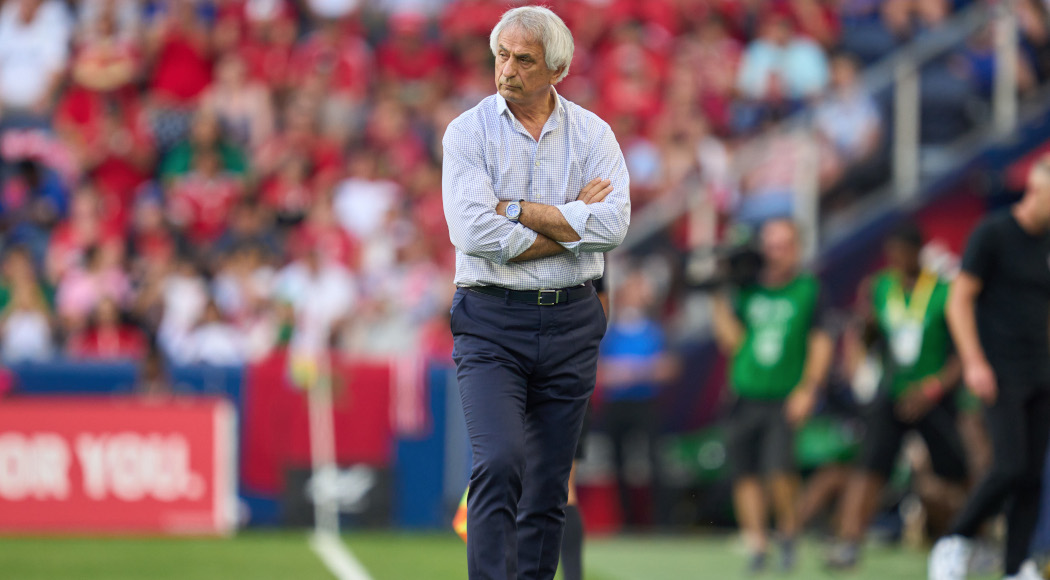
An international friendly game was organised against the USA in June and by the time Salvadoran referee Ismael Cornejo blew his whistle at fulltime, Moroccan fans were asking for head coach Vahid Halilhodzic to be fired.
The Atlas Lions, who had never lost to the USA in three times of asking winning in as many times, were exposed in the 3-0 loss in a fixture that they prefer to forget.
Their defence was in shambles and their frontline nibbled on mediocrity in front of goal, but it goes without saying that USA goalkeeper Matt Turner had a stellar performance between the posts denying Ayoub El Kaabi, Tarik Tissoudali and Azzedine Ounahi before Selim Amallah missed from the spot when he rattled the bar and missed an opportunity for the Moroccans to save face.
The poor performance more than the result is what shocked Moroccans back home and across the world and reminded them of their 2-1 quarterfinal loss to eventual finalists and archrivals Egypt after extra time at the Africa Cup of Nations in Cameroon this January.
That, right there was when the alarm bells started going off.
The animosity towards Halilhodzic five months down the road had become very volatile that it became a matter of when not if Halilhodzic will be fired.
HAKIM ZIYECH FACTOR
As if the poor performances were not enough, the fans felt that Halilhodzic’s continued row with Chelsea playmaker and poster boy Hakim Ziyech that saw him distance himself from the Atlas Lions took away a lot from the strength of the team especially in the lead up to the World Cup.
So when the federation president Fouzi Lekjaa said in an official statement this month that, "Given the differences and divergent visions between the Royal Moroccan Football Federation [FRMF] and national coach Vahid Halilhodzic on the best way to prepare the national football team for the Qatar 2022 World Cup, the two parties decided to separate,” it was obvious that the FRMF had succumbed to pressure from the fans.
With 100 days to the start of the World Cup, this was the third time the Bosnian coach had been fired just before the World Cup having qualified a team – Ivory Coast (2010) and Japan (2018).
Despite the above, Halilhodzic was renowned for instilling team discipline and spirit within the Atlas Lions since his arrival in August 2019 as well as giving a chance to young players including attackers Tissoudali, Ounahi and QPR’s Illias Chair.
But now the Atlas Lions will need to focus their energies on preparing for the world’s biggest sporting event. To do that, time is against their ambitions, and yet they will need a miracle to be where they need and must be to challenge for a place out of Group F.
NEW COACH
According to a reliable source who prefers anonymity, former international Walid Regragui will soon be named the new Morocco head coach.
The 45-year-old, who was part of the side that reached the Afcon 2004 final as a defender before losing 2-1 to Tunisia and recently led Wydad Casablanca to CAF Champions League glory after defeating record winners Al Ahly of Egypt, is expected to take over the reigns.
The fans have already welcomed Regragui’s appointment with social media alight with the approval tag and they feel that he will have immense support not just in the dressing room but also on the pitch as a known winner.
However, some critics feel that the continued delay to announce the new coach will poise a challenge to the players especially as Morocco has already lined up three friendly games against Chile (23 September) and Paraguay (27 September).
For Regragui or the next coach of the Atlas Lions, the task is not an easy one. The task at hand includes bringing the team together, lifting their spirit, convincing Ziyech to return to the side while maintaining level-headed respect that the playmaker is not more important than any other player and most importantly showing the fans that Morocco will be going to Qatar to compete and not just make the numbers.