

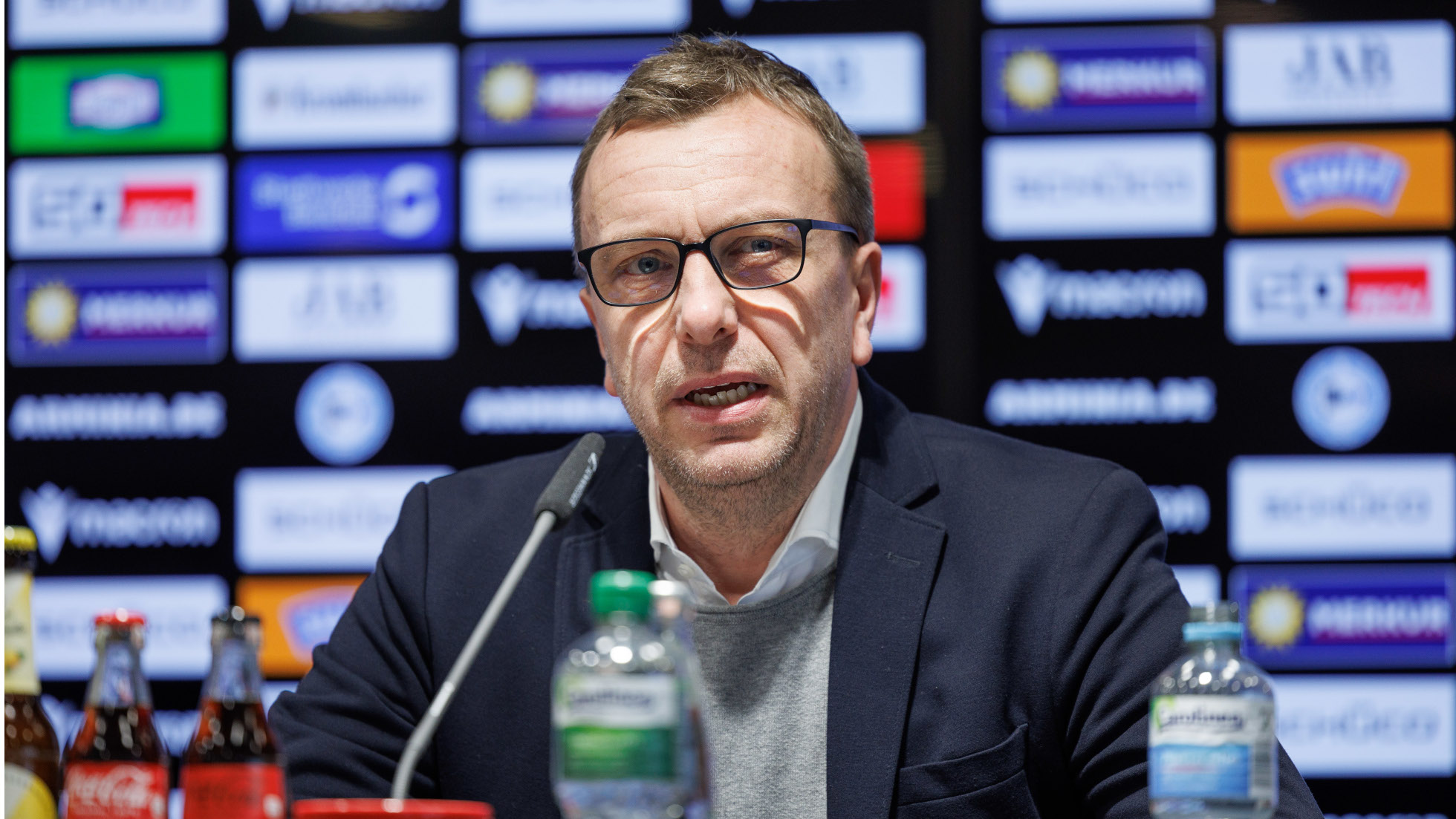
As Arminia Bielefeld marks 50 years of women’s football, the milestone is not about trophies or headlines. It is about consistency, belief and long-term investment — lessons that strongly resonate with the current state of women’s football in South Africa.

Speaking during an interview, Arminia Bielefeld CEO Christoph Wortmann made it clear that the club’s commitment to the women’s game did not begin with trends or pressure. It began with values.
Women’s football at Arminia Bielefeld started five decades ago, at a time when equality in sport — and in society — was almost non-existent in Germany.
“That shows how deeply rooted this department is,” Wortmann explains. “Even back then, the club wanted to show that we stand for diversity and equal chances.”
For South Africa, where women’s football structures are still evolving, this highlights an important truth: meaningful growth starts with intention, not instant success.
Investment Beyond the Pitch
Today, Arminia Bielefeld’s investment in women’s football is visible. The club plays in the third tier and has a dedicated women’s programme, commercial backing and a clear development plan.
“We have a global company as the main sponsor of our women’s team and they sponsor women only,” says Wortmann. “Their focus is to invest in women’s football, and they do activations with us.”
While attendance numbers still differ between the men’s and women’s teams — with around 21 000 fans attending men’s matches compared to the lesser numbers for the women — the progress lies in visibility.
“Women’s teams now have a voice. People can watch the games, and sponsors are involved,” he adds.
This is a key comparison point for South Africa, where women’s football still fights for regular broadcast coverage and commercial trust.
Development First, Results Later
On the sporting side, Arminia Bielefeld is realistic about where its women’s team stands. The focus remains on development, not shortcuts.
“The target is that in the next one and a half years, we want to see the women’s team playing in the second division,” Wortmann says. “It’s not impossible. We have young, talented players.”
Rather than rushing into international recruitment, the club is strengthening its local and regional structures — a model that South African women’s football can strongly relate to.
South Africa in the Picture
Although Arminia Bielefeld isn’t looking to sign South African players until their women’s team reaches the first division, their long-term grassroots initiatives — from coaching clinics and youth empowerment programmes to partnerships with local academies like Bolobathaba United FC — underscore the club’s genuine commitment to developing South African football at the foundation level.
“At the moment, we are not on the level to bring players from abroad,” Wortmann admits. “ In the future, it could be possible. At the moment, the clubs in Germany get players in their regions, and we still need to invest more in professional structures.”
Lessons from 50 Years
As Arminia Bielefeld celebrates 50 years of women’s football, the club’s journey offers a clear lesson to South Africa: investment in women’s football is a long game.
Germany’s progress did not happen overnight. It took decades of belief, structure and patience. For South Africa, the path may be different, but the principle remains the same — when clubs invest consistently and visibly in women’s football, the game grows.
For South African players, the message is clear: development, education and consistency matter just as much as talent.
Wortmann’s message to young South African girls aspiring to play football — locally or in Europe — is straightforward.
“They must work hard, improve their skills and have self-belief.”