

South African women’s football is growing rapidly and the Hollywoodbets Super League is producing national team players and showcasing clubs like Mamelodi Sundowns Ladies and JVW FC, inspiring a new generation of young women to pursue football professionally.

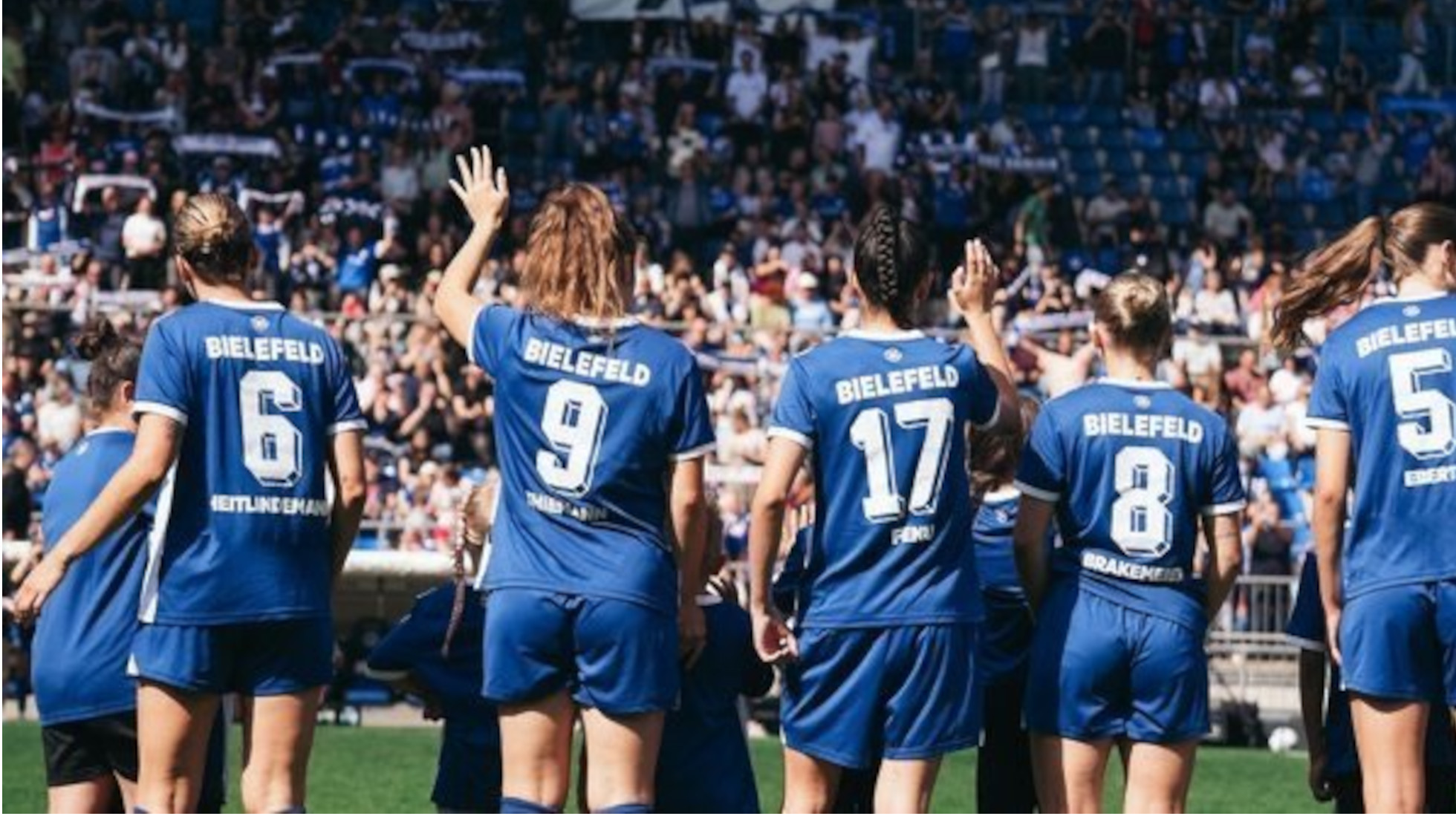
The league however is still developing professional structures and pathways and across continents, Germany offers a model of long-term investment, visible in clubs like DSC Arminia Bielefeld — home to goalkeeper Kira Kutzinski.
At 26, Kira brings leadership and experience to Arminia’s women’s team, which celebrates 50 years of women’s football. “I joined the club in summer 2024, just a little over a year ago and it’s been a journey,” she says.
“We have had a lot of ups and downs, especially last season where we lost a lot of players due to retirement and injuries. We didn’t finish where we wanted and that was not the ending we were hoping for. This season we are doing good so far. We are happy with the standings, although we lost a couple of points that we shouldn’t have. But overall it’s been a really good experience. I love my team and my teammates. It’s obviously a little different to the team I played for before.”
Her journey reflects the pathways structured football systems can provide. After playing college soccer at the University of Maine in the USA, Kira returned home and sought opportunities in Germany. “I still knew some players in the team, and I communicated with them regarding trials as a goalkeeper. They spoke with the coach, I attended trials, and then joined the club.”
Arminia’s approach highlights the benefits of patient, long-term investment and a plan put in place long before it was popular to have a women’s football team. “The club has a really high standing in this region because we are one of the big clubs around here,” Kira explains. “The female team has a long-standing tradition. Other female clubs around us that used to be really good are kind of in financial trouble, whereas we are in a better position because of our men’s team. The traditional women’s clubs are getting demoted to lower leagues. We are currently the highest team in our region, which is good for youth development and talent seeking.”
According to the German born keeper, competition in the league remains intense but that is no excuse to stop them from achieving the goals they have set. She also highlighted economical and social factors that many female players in South Africa can relate to, such as having a “9-5” job while juggling being a professional footballer:
“We have a few teams that are U21 and U23 — they are fast and athletic. Usually every game is very competitive, especially in the top third of the standings. We have players from around 17 years old to 31. Some players go to college, others work fulltime — and it’s the case for most teams in the league,” Kira says.
The updated log!#HollywoodbetsSuperLeague#HWBSL pic.twitter.com/Ccjlbcpqfe
— Hollywoodbets Super League (@HollywoodbetsSL) December 11, 2025
Despite injuries and setbacks, Arminia’s goals are clear. “As a team our goal is to be in the top three for now. In the long run we want to play in the league higher and get promoted. But for now we have injured players, so that might not be what we can reach this season. We at least want to be in the top three. We also have cup games which are basically like state cups. We want to win that — that is our main goal for the season, and that is my personal goal as a goalkeeper. We have two goalkeepers in our roster where one of us plays in the league games and the other in the cup games. I play in the cup games.”
Kira emphasized the team culture and success that makes Arminia standout from the other teams around them. “We are an experienced team with players that have played in the higher leagues before. You have to be willing to learn from those players. You can be young, fast, and technical and be ready to be part of the players. We want to succeed as a team and we always work hard — that’s something we value.”
Community support also matters. “We have a group of core supporters that come to the stadium. They have drums and flags. Some games we get fewer supporters, but when we play at bigger stadiums against bigger teams like Dortmund, we have more supporters which is awesome. We love that atmosphere, but since we are not used to it, it’s a lot of pressure. But we value every fan that comes to our games,” she says.
For South African women aspiring to professional careers, Kira’s story offers lessons: structured pathways, patience, and consistent development can lead to lasting success. While Arminia is not yet recruiting from South Africa, the club’s long-term commitment to women’s football signals potential for future global connections and opportunities.
𝟓𝟎 𝐲𝐞𝐚𝐫𝐬 𝐨𝐟 𝐰𝐨𝐦𝐞𝐧’𝐬 𝐟𝐨𝐨𝐭𝐛𝐚𝐥𝐥‼️
— Basadi in Action Sports (@BasadiAction) February 6, 2026
Did you know @arminia Bielefeld in Germany has been growing their women’s team since 1976?👀
👉 Tap the link in bio to read why the club is already investing in SA grassroots football#Womensfootball #Germany #Nodnajustrsa pic.twitter.com/rsXHuwcFTR