

The celebrations for the three South African teams that qualified this weekend for the European Champions Cup were perhaps a bit understated, but this will have such a massive impact on South African rugby’s future that it should be lauded.
This is, after all, the jackpot at the end of the tunnel that took SA Rugby from Super Rugby to Europe. And it all comes down to the cash.
The Champions Cup is the big fish - the big drawcard and the biggest prizemoney in modern professional club rugby. It has a winner’s cheque of around 1 million euros - that’s R17 million or almost a third of the URC teams’ average player budget in South Africa.
But more than that, it is the grand stage - the best teams from all around Europe - the powerhouse English, French, Irish, Scottish, Italian, Welsh and now South African sides that will contest the showpiece tournament next season.
It certainly gives a very different flavour to a season and will bring a massive amount of challenges for teams if they want to be successful.
And while it means that the cream of European professional rugby will also be in South Africa, it means the financial implications are massive for teams that qualify.
Apart from the prizemoney at stake, there is a significant uptick in broadcasting rights, and in a friendly time zone - as opposed to Super Rugby - which means more eyeballs on games and that in turn boasts a host of opportunities for sides in the Cup.In a recent report on Gloucester Live, the Gloucester club CEO Stephen Vaughan estimated that participation in the Champions Cup meant an extra 250 000 pounds a year for his side. That’s R5 million more income and that doesn’t even factor in fan attendance.
While Gloucester, for instance, have a stadium that can seat 8000, imagine Loftus Versfeld, Kings Park or Cape Town Stadium filled to the rafters for Toulouse, Toulon or Saracens.
It gives rugby’s marketing men something to aim for, helps sell season tickets and means all-round goodness for SA sides.
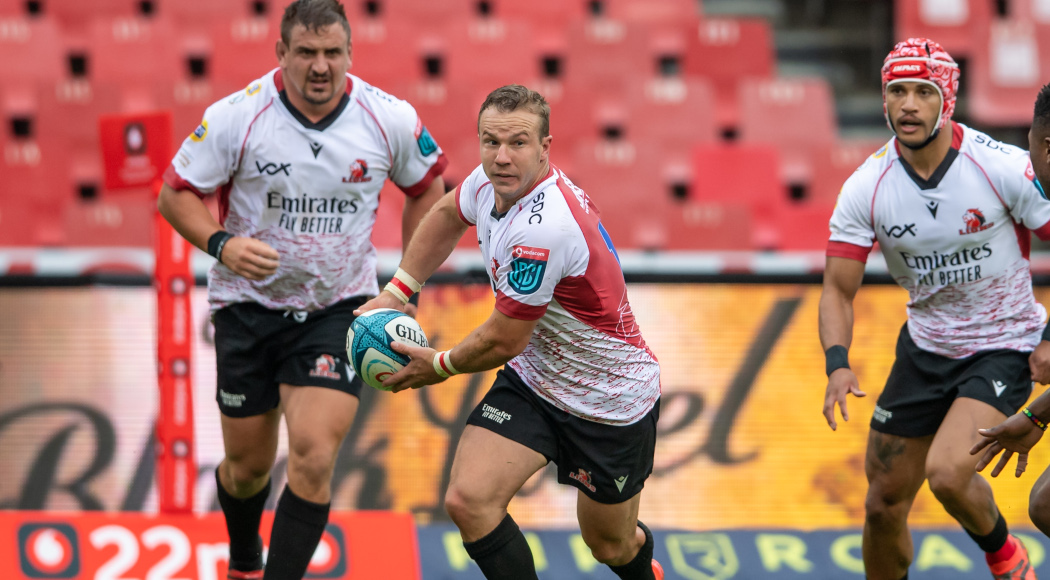
The Emirates Lions will compete in the lesser Challenge Cup, but you can be assured that once they realise the riches waiting at the end of the URC they will up their game as well.
In essence three South African sides in the Champions Cup is more than just a win for South African rugby - it underlines the success of the move northwards, it is a pat on the back of the rugby officials who made it happen and it opens up new avenues, new markets and a whole lot of new capital for South African rugby.
In essence it is New Zealand and Australia’s worst nightmare. Not only will SA rugby teams be able to have a foundation from which they can start to compete to keep players in SA, the new rivalries will be built up and tribalism will become a massive factor in rugby again.
And that’s not even mentioning the massive expat community in the countries that will turn out to watch the South African sides.
Teams will, if they are savvy, have enough ammunition to reverse the trend of dwindling crowds and the European sides visiting SA will mean that a number of the Springbok stars who play for overseas clubs, will be in the country again playing in front of home crowds.
That is not to say it won’t be without challenges. We’ve already seen URC sides struggle to manage squads and fight the war on two fronts, as Leinster coach Leo Cullen put it. It will mean bigger squads, more squad rotation and coaching staff that need to rely on bringing through young talent a lot more than simply relying on old methods and the abundance of young stars in South Africa.
It’s a brave new rugby world out there, and for once, it is as looking rosier than ever.
This weekend’s results may have gone under the radar, but once the Champions Cup arrives, it will be shouted from the rooftops.
And SA Rugby will be stronger for it.