International review, 2025


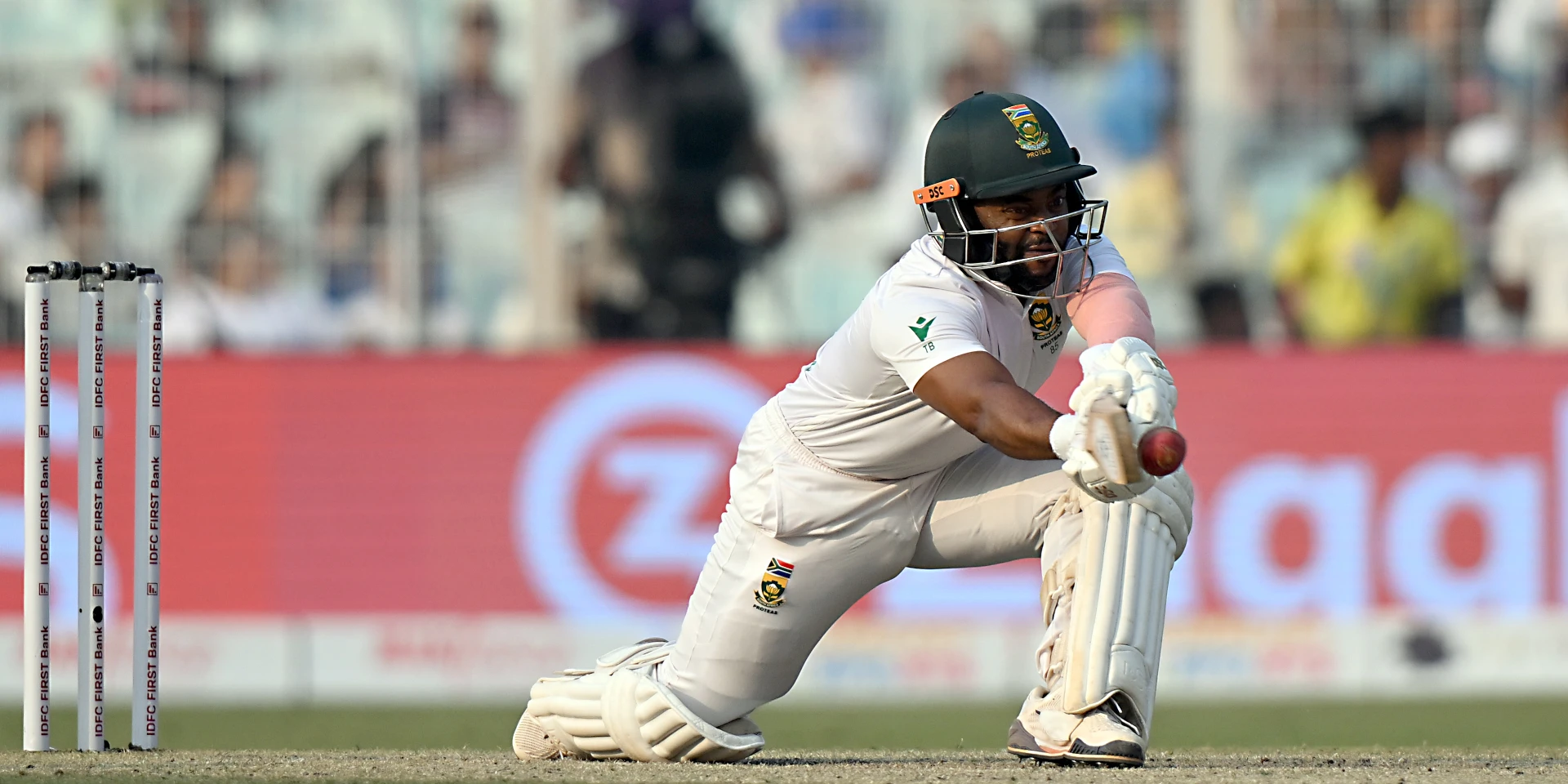
Australia and South Africa stormed to the top of the World Test Championship table while India stumbled leading to early speculation that a rematch in the final at Lord’s in 2027 was very much on the cards. But it is early days and the three-match series between the two sides in September next year may go a long way to determining their fate.
England ended a 20-year moratorium on playing against Zimbabwe with a historic test match at Trent Bridge which they won inside three days and, more importantly, rebuilt a bridge which will only benefit the game. Zimbabwe’s improvement as a test nation came to the fore later in the year when they beat Afghanistan by an innings and 73-runs in a one-off test in Harare in which the ‘forgotten’ Curran (Ben) scored 121. The hosts used the fixture as a warm-up for the highly anticipated five-match series against India which lived up to all expectations.
Freshly appointed captain, Shubman Gill, scored over 500 runs in the first two tests and there was speculation that he might even challenge Don Bradman’s all-time series record of 974. Inevitably his form faded but the tourists won the final test at The Oval in gripping style, sneaking home by just 6-runs to square the series 2-2.
Advertisement
Australia visited the Caribbean for three tests and, by design or default, were greeted by three of the spiciest pitches in recent West Indian history – an attempt, perhaps, to fight fast bowling fire with fire. It backfired with the tourists winning by 159, 133 and 176 runs. As potent as the Caribbean pacemen were, Pat Cummins, Mitchell Starc and Josh Hazlewood were better.
While the Proteas were catching the cricket world’s collective eye with three remarkable wins out of four tests in Pakistan and India, attention was inevitably focussing on The Ashes and the litmus test for the three-year project which was ‘Bazball.’ Australia cruised to consecutive 8-wicket victories in Perth and Brisbane to take control of the series and create a torrent of public and media opprobrium on the ‘arrogant’ English. The first test was over inside two days for the first time in Ashes series for almost a century.
Only once before has a team won the (in)famous urn from 2-0 down, but never away from home. Australia lost the first two tests in the 1936/37 series but won the next three in which Bradman scored an eye-watering 810 runs starting with an innings of 270 in the third test at the SCG during one of the great tactical innovations in test history.
A heavy downpour before the start of the Australian innings left the home side facing the prospect of batting on a treacherous, uncovered pitch. But captain Bradman reversed the batting order and instructed his bowlers to bat ‘for as long as possible’ while the sun dried the pitch. They did exactly that and Bradman emerged at No 7 to compile what remains the highest score in that position.
It seems highly unlikely that Ben Stokes and his England team will be able to emulate that comeback. Or even win one of the remaining three tests.
one-day international cricket dropped to the bottom of most team’s priority list for the majority of the year at the conclusion of the Champions Trophy which was staged in Pakistan hosting an ICC event for the first time in 25 years. Or, mostly in Pakistan.
Political and military tensions meant India were based in Dubai and played every one of their games at the same venue, including the semifinal and final. The other seven teams travelled between Lahore, Rawalpindi and Karachi with South Africa even making the trip from Lahore to Dubai ‘in case’ they were required to play India in their semifinal before returning to play, and lose to, New Zealand in Lahore.
India were probably the best team at the tournament and certainly played some of the best cricket. It was equally certain that the lack of travel or requirement to adapt to different playing conditions gave them a profound advantage as they swept the Black Caps aside in the final to win by four-wickets.
South Africa raised eyebrows among the major nations by winning three match bilateral series 2-1, back-to-back, in both Australia and England although some of the gloss of victory was tarnished by record margins of defeat in both games they lost. England, meanwhile, continued to slump in the format losing every series after just a solitary, 3-0 win against the West Indies at the start of the English summer.
The final quarter of the year saw most of the 24 teams which have qualified for the T20 World Cup scrambling for as much match practise and game time as possible, much of it far below the public radar with smaller countries like Namibia, Canada, Oman and Nepal having to settle for intra-squad contests.
The phenomenal global growth of cricket through the T20 format is largely unknown among followers of the major nations but there are currently 108 ICC member nations and several more with pending applications. Among many tournaments you may have missed was the Central American Championship hosted by Panama and featuring Costa Rica, Mexico and the Turks and Caicos Islands.
Estonia toured Malta, Thailand hosted Japan and the Cook Islands while Switzerland played a five-match series in Austria which also hosted the Central Europe Cup with the Czech Republic and Norway. Bulgaria invited Gibraltar and Turkey for a Triangular while Romania hosted Austria, Belgium, France and Malta in the Continental Cup. That’s before we get to Indonesia, the Philippines and South Korea.
Advertisement